Art & Innovation: When Science and Creation Redraw Borders
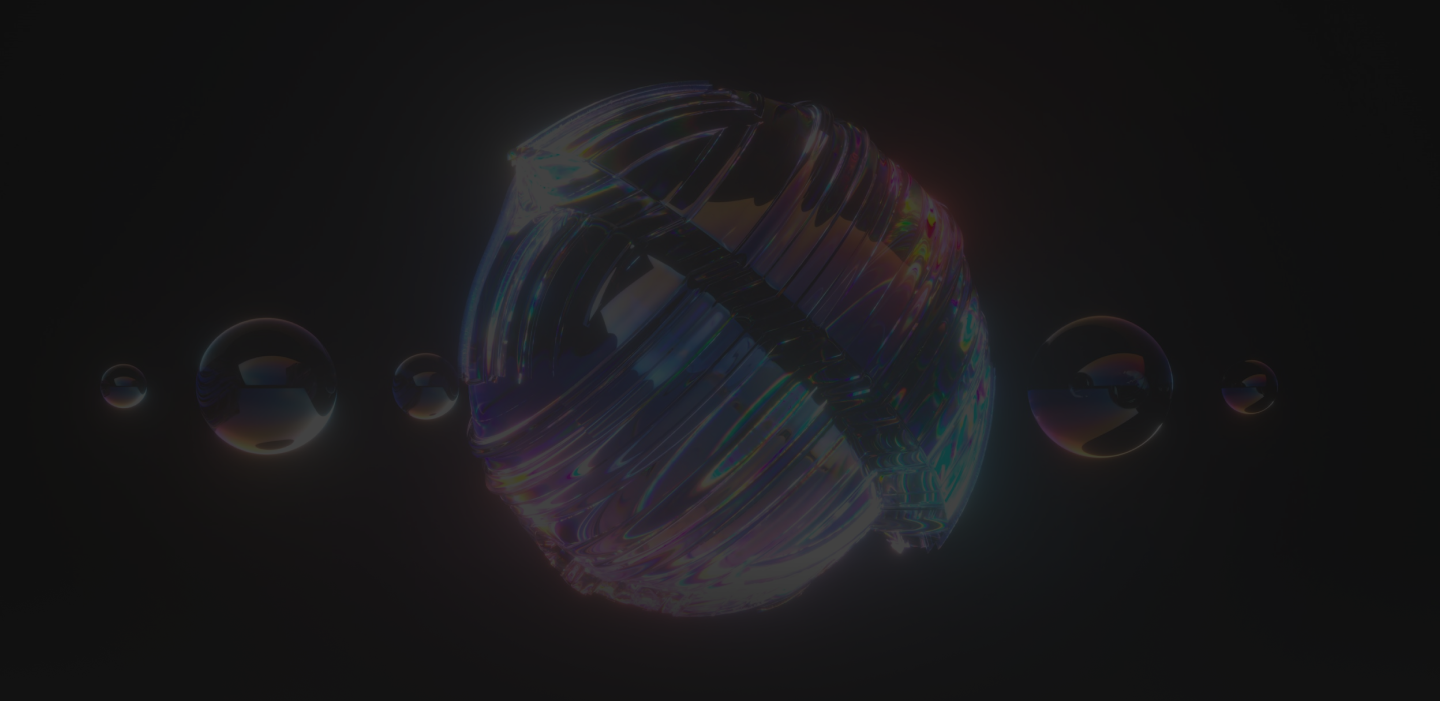
A silent revolution is shaking up workshops and laboratories.
1. Shared Laboratories: The Invisible Made Sensible
At CERN, where physicists track the secrets of the universe, the Arts at CERN program has welcomed 142 artists since 2011. Among them, Tomás Saraceno transforms data on dark matter into a vibrant installation: “Dark Matter” (2020) materializes the elusive using nylon threads and seismic sensors (CERN official website).
“Science reveals the invisible; art makes it palpable”
In the field of bio-art, Amy Karle sculpts with life itself.
2. Technology: The New Medium
Generative AI has burst into the art market with a bang.
Refik Anadol, a more ethical pioneer, generates hypnotic landscapes from 300 TB of climate data for “Machine Hallucinations” (MoMA, 2022).
Extended reality redefines the spectator experience.
3. Material Innovations: Science at the Service of Creation
Behind the scenes of museums, nanotechnology is revolutionizing conservation.
Biomimicry also inspires new forms.
4. New Models: Sharing and Co-Creation
Open-source licenses are gaining ground in contemporary art.
Intellectual property is also reinventing itself.
Conclusion: Towards a Collaborative Ethics
If 76% of Horizon Europe European funds now support these alliances (2021-2027 Program), three challenges persist:
- Transparence des données en IA
- Équité dans la rémunération des scientifiques
- Accessibilité face aux 45% du public trouvant ces œuvres "hermétiques" (Tate Modern Visitor Study, 2023
“Innovation is not a tool but a territory to be inhabited together”
These collaborations don’t merge two worlds – they invent a third.